

Constant commitment to quality RESERCH AND DEVELOPMENT DEPARTMENT, consisting of two main laboratories are working in close conjunction with the customers for definition of products characteristics. Supervising daily activity of rubber compound department is confirming each compound complying with the predefined technical features.
A constant commitment to quality and innovation defines the activity of the laboratory, the core of the Research and Development Department. Structured into two main laboratories, the department works in close partnership with customers to define product characteristics with precision and to develop rubber compounds tailored to specific technical requirements.
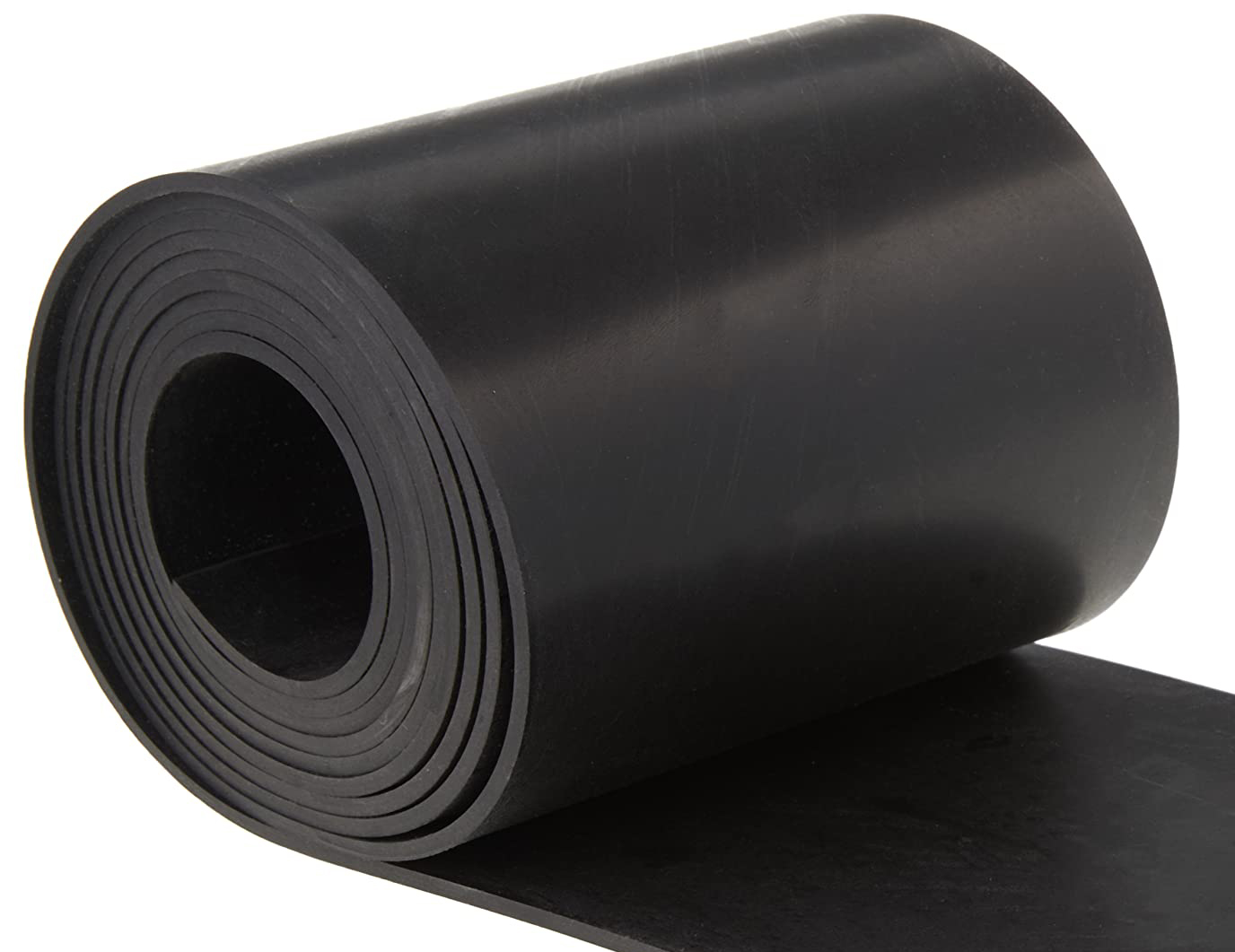
Role of the laboratory in production
- Formulation and optimization of rubber compounds — development of new recipes adapted to industrial applications.
- Quality control — verification of mechanical, rheological, and physico‑chemical properties for every batch.
- Technical support for customers — interpretation of test results, improvement recommendations, and assistance during product development.
- Documentation and traceability — systematic recording of test data and preparation of technical reports.
Laboratory equipment
The laboratory is equipped with advanced instruments that allow complete characterization of raw materials and finished compounds:
- Two closed mixers of 2.7 liters
- Open mixers for refining and adjusting compounds
- Rheometers for vulcanization behavior analysis
- Mooney viscometer for viscosity and processing stability measurements
- Dynamometers for mechanical property testing
- Ovens for accelerated aging and thermal stability tests
In the BOS method, recycled or scrapped steel is added to the molten iron in a convertor. Oxygen is blown through the metal at high tem- peraturesand this reduces the carbon content to about 0-1.5%.
In the EAF method, scrap steel is fed through high-power electric arcs to melt the metal and convert it into high quality steel. The steel that is obtained at the end of this step, by either of the methods, is called raw steel.
Role of the laboratory in production
The laboratory supervises the daily activity of the rubber compounding department, ensuring that every batch complies with predefined technical specifications. Continuous monitoring guarantees consistency, traceability, and full conformity of the final products. Each compound is rigorously tested, and results are compared against internal standards and customer requirements.
The laboratory stands as a key element in ensuring product quality and driving continuous development. Through technical expertise, modern equipment, and close collaboration with customers, the department delivers performance, consistency, and innovation at every stage of the process.
Sit rerum galisum ex sequi nobis est Quis deserunt hic molestias deleniti eum reprehenderit illo? Nam adipisci vero in voluptatem fugit et sunt tem- pora aut cupiditate esse ut voluptatibus.
Step 4: Secondary Forming
The final step of the steel manufacturing process creates the final shape and properties of the steel. Secondary forming is accomplished with different methods such as shaping (cold rolling methods), ma- chining (drilling), joining (welding), coating, heat treatment, and sur- face treatment. At the completion of step 6, the steel is fully shaped, formed, and ready for use and processing in various applications.