

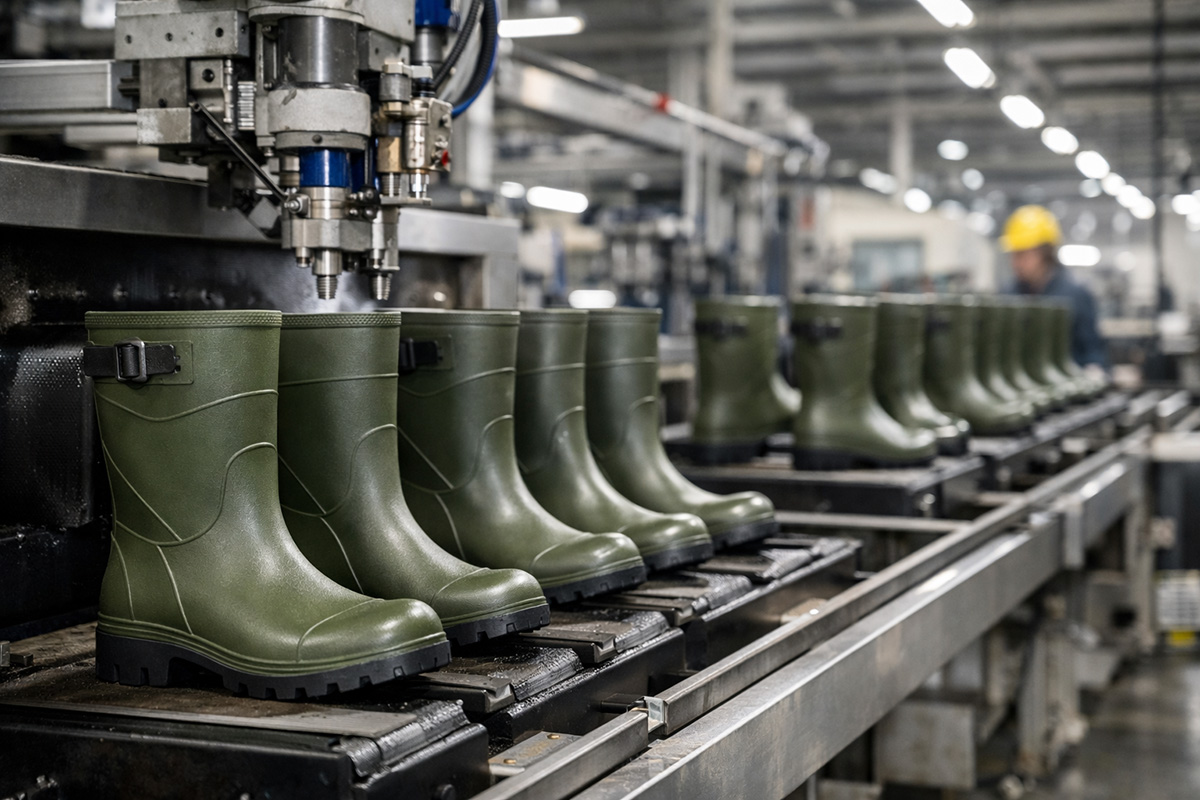
Rubber boots—also known as wellingtons, rain boots, or gumboots—are one of the most practical and versatile types of footwear ever created. Designed to protect the wearer from water, mud, chemicals, and harsh environments, they have evolved from simple waterproof shoes into specialized equipment used across industries, outdoor activities, and everyday life.
1. Origins and Evolution
Rubber boots trace their roots back to the early 19th century, when the Duke of Wellington popularized a leather boot style that later inspired the waterproof version. The invention of vulcanized rubber by Charles Goodyear transformed footwear manufacturing, allowing boots to become flexible, durable, and fully waterproof.
Over time, rubber boots shifted from military and agricultural use to mainstream fashion and industrial safety gear.
2. Materials and Construction
Modern rubber boots are typically made from:
- Natural rubber — flexible, eco‑friendly, excellent waterproofing
- PVC (polyvinyl chloride) — lightweight, affordable, chemical‑resistant
- Neoprene — insulating, ideal for cold environments
- EVA foam — extremely light, used in newer ergonomic designs
Key construction features include:
- Seamless molding to prevent leaks
- Slip‑resistant soles for wet or oily surfaces
- Reinforced toes and heels for durability
- Insulated linings for winter or industrial use
3. Types of Rubber Boots
Rubber boots come in many forms, each tailored to specific environments:
- Rain boots — everyday waterproof footwear
- Work and industrial boots — reinforced, chemical‑resistant, often steel‑toe
- Agricultural boots — tall, mud‑resistant, easy to clean
- Fishing and wading boots — high waterproofing, anti‑slip soles
- Winter rubber boots — insulated with neoprene or fleece
- Fashion rubber boots — colorful, patterned, designed for urban wear
4. Practical Uses Across Industries
Rubber boots are essential in:
- Agriculture — protection from mud, water, and animal waste
- Construction — safety against chemicals, debris, and slippery surfaces
- Food processing — hygiene and slip resistance
- Fishing and maritime work — waterproofing and insulation
- Forestry — protection from moisture and rough terrain
- Emergency services — flood response and hazardous environments
Their reliability makes them indispensable in both professional and recreational settings.
5. Advantages of Rubber Boots
Rubber boots offer several key benefits:
- 100% waterproof protection
- High durability in harsh conditions
- Easy maintenance — simply rinse and dry
- Chemical and oil resistance (depending on material)
- Comfortable for long wear with modern ergonomic designs
These qualities make them a preferred choice for anyone working outdoors or in wet environments.
6. Care and Maintenance
To extend the lifespan of rubber boots:
- Clean them after each use
- Avoid prolonged exposure to direct sunlight (prevents cracking)
- Store in a cool, dry place
- Use silicone spray to maintain flexibility
- Replace insoles regularly for comfort
Proper care ensures the boots remain waterproof and durable for years.
7. Rubber Boots in Modern Culture
Today, rubber boots are not only functional—they’re also a fashion statement. Designers incorporate bold colors, patterns, and textures, making them popular in urban streetwear, festivals, and outdoor lifestyle brands.
Their blend of practicality and style has turned them into a timeless piece of footwear.
Conclusion
Rubber boots remain one of the most reliable and adaptable types of footwear ever created. From industrial safety to everyday rain protection, they offer unmatched durability, waterproofing, and comfort. Their evolution from simple protective gear to modern fashion and specialized equipment highlights their enduring importance in both work and daily life.


