

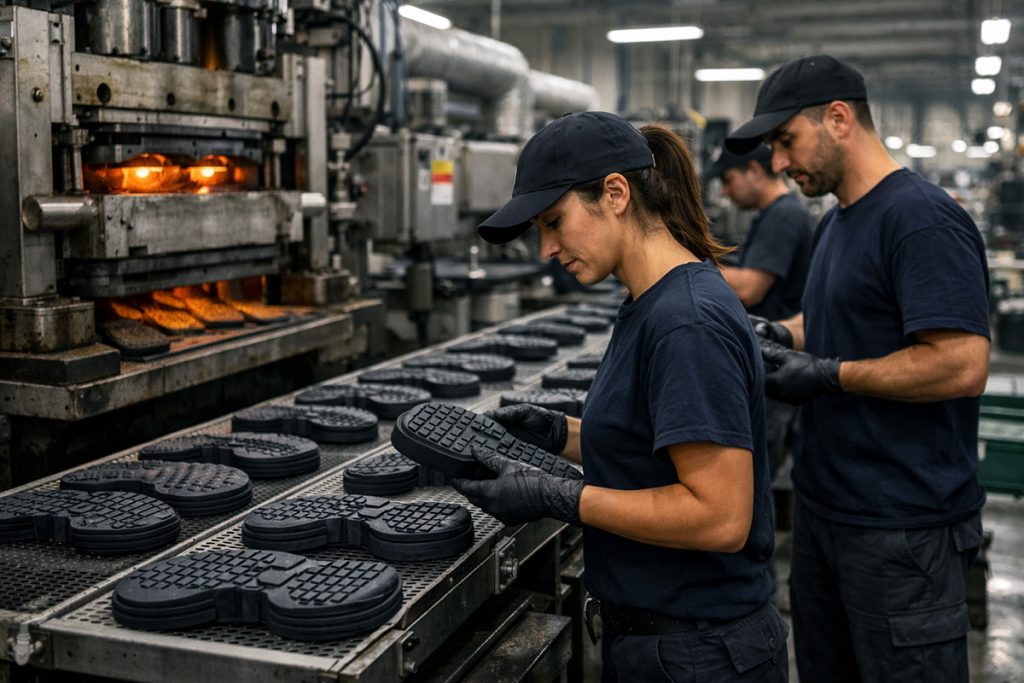
Rubber Soles: Design, Performance, and Industrial Importance
Rubber soles are one of the most widely used components in modern footwear, valued for their durability, comfort, and resistance to harsh environments. From athletic shoes to industrial boots, rubber soles provide the foundation for safety, stability, and performance. Their evolution reflects advances in material science, ergonomics, and manufacturing technology.
1. What Are Rubber Soles?
Rubber soles are the bottom part of footwear made from natural or synthetic rubber compounds. They provide traction, cushioning, and protection from the ground. Depending on the application, rubber soles can be soft and flexible or dense and abrasion‑resistant.
Rubber soles are used in:
- Everyday shoes
- Work boots
- Sports footwear
- Hiking and outdoor shoes
- Safety and industrial footwear
2. Materials Used in Rubber Soles
Different types of rubber are selected based on performance needs:
- Natural Rubber (NR) — excellent grip and elasticity
- EVA (Ethylene‑Vinyl Acetate) — lightweight cushioning
- TPR (Thermoplastic Rubber) — flexible and cost‑effective
- Nitrile Rubber (NBR) — oil and chemical resistance
- Vulcanized Rubber — high durability and abrasion resistance
- Neoprene — weather and temperature resistance
Each compound is engineered for specific properties such as slip resistance, flexibility, or shock absorption.
3. Manufacturing Processes
Rubber soles are produced using advanced molding technologies:
A. Injection Molding
- Rubber is heated and injected into molds
- High precision and high volume
- Ideal for athletic and casual footwear
B. Compression Molding
- Rubber sheets are pressed into shape
- Used for thick, durable soles
- Common in work boots and outdoor footwear
C. Vulcanization
- Heat and sulfur strengthen the rubber
- Improves elasticity and durability
- Essential for high‑performance soles
D. Multi‑Layer Construction
Many modern soles combine:
- Rubber outsoles
- EVA midsoles
- Gel or air cushioning systems
This creates a balance of comfort, support, and durability.
4. Key Performance Features
Rubber soles are engineered to deliver specific advantages:
✔ Slip Resistance
Special tread patterns and rubber compounds provide grip on wet, oily, or uneven surfaces.
✔ Shock Absorption
Rubber naturally absorbs impact, reducing stress on joints and improving comfort.
✔ Abrasion Resistance
High‑quality rubber withstands friction and wear, extending the life of the footwear.
✔ Flexibility
Allows natural foot movement, essential for sports and daily use.
✔ Chemical and Oil Resistance
Industrial soles often use nitrile or neoprene for protection in harsh environments.
✔ Thermal Insulation
Rubber helps keep feet warm and protected from cold surfaces.
5. Applications Across Industries
A. Sports and Athletics
- Running shoes
- Basketball and tennis shoes
- Training footwear
Focus: grip, flexibility, energy return.
B. Outdoor and Hiking
- Trekking boots
- Trail shoes
Focus: traction, durability, weather resistance.
C. Industrial and Safety Footwear
- Steel‑toe boots
- Anti‑slip work shoes
Focus: oil resistance, puncture protection, heat resistance.
D. Fashion and Casual Footwear
- Sneakers
- Everyday shoes
Focus: comfort, style, lightweight design.
6. Design Considerations
Footwear designers optimize rubber soles using:
- Tread geometry for traction
- Sole thickness for cushioning
- Flex grooves for mobility
- Heel and arch support for ergonomics
- Color and texture for aesthetics
Modern CAD and simulation tools help predict performance before production.
7. Sustainability in Rubber Sole Production
The industry is shifting toward eco‑friendly solutions:
- Recycled rubber compounds
- Bio‑based rubber alternatives
- Energy‑efficient molding processes
- Waste reduction through precision manufacturing
These innovations reduce environmental impact while maintaining performance.
Conclusion
Rubber soles are a cornerstone of modern footwear design, combining material science, engineering, and ergonomics to deliver comfort, safety, and durability. Whether used in athletic shoes, industrial boots, or everyday sneakers, rubber soles continue to evolve with new technologies and sustainable materials, ensuring they remain essential in global footwear manufacturing.


